
Ethiopia

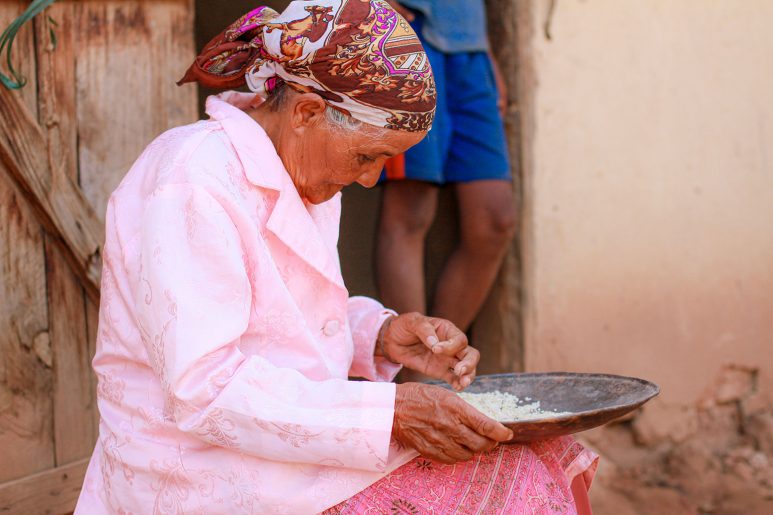
Ethiopia has a population of 115 million people, an estimated 8.8 million of which have vision loss, 780,000 of whom are blind (2020).

In Ethiopia, we support a community outreach program through the government hospital in Bahir Dar, Amhara Region.

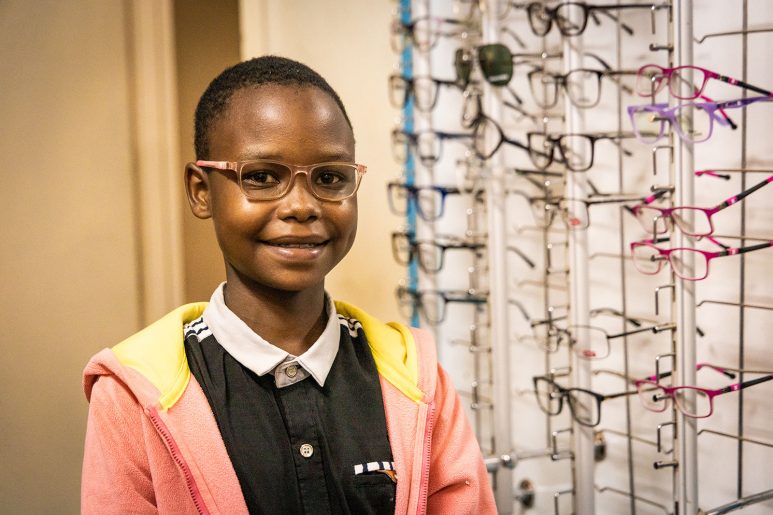
To help address the country’s extensive eye care needs, our funding is used for outreach activities, equipment and supplies, consumables, as well as surgery, glasses and medicine. Services are subsidized or free for those who cannot afford to pay. Our support also provides specialized training for eye care personnel at the government hospital.

In addition,our partner in Africa, the Kilimanjaro Centre for Community Ophthalmology’s (KCCO) staff train members of existing microfinance groups who have volunteered to learn to identify, promote, refer, and support people, particularly women and girls, to overcome barriers to accessing eye care services. 

Because of these microfinance groups, women have become some of the most financially and educationally empowered members of their communities. They educate their own children, other women and extended family members on the importance of eye care. 

Microfinance groups are providing an effective forum for educating communities about eye care and linking it to the broader economic and health initiatives in poor rural settings in Africa. By helping women overcome the barriers they face accessing care, and creating strong links between communities and eye care providers, our program addresses the root causes of blindness among women: under-utilization of available services. Because of this, we help ensure that more women and girls will be able to see today and in the future.


A $50 donation will change a life!

With a $50 donation, you will provide a life-changing cataract surgery to someone in need in a low-income country.

News

Seeing Clearly, Playing Freely 

Twelve-year-old Zenaice is in secondary school in a community not far from Moshi, Tanzania. She lives with her parents, Isaya and Lucy, her younger siblings Isabela and Istaray, and her

Chris Pool: A Practice of Purpose 

When Chris Pool was young, he held strong convictions about inequality. He believed material possessions mattered far less than making a difference in the world,